What Happens When Surveillance Footage Disappears?
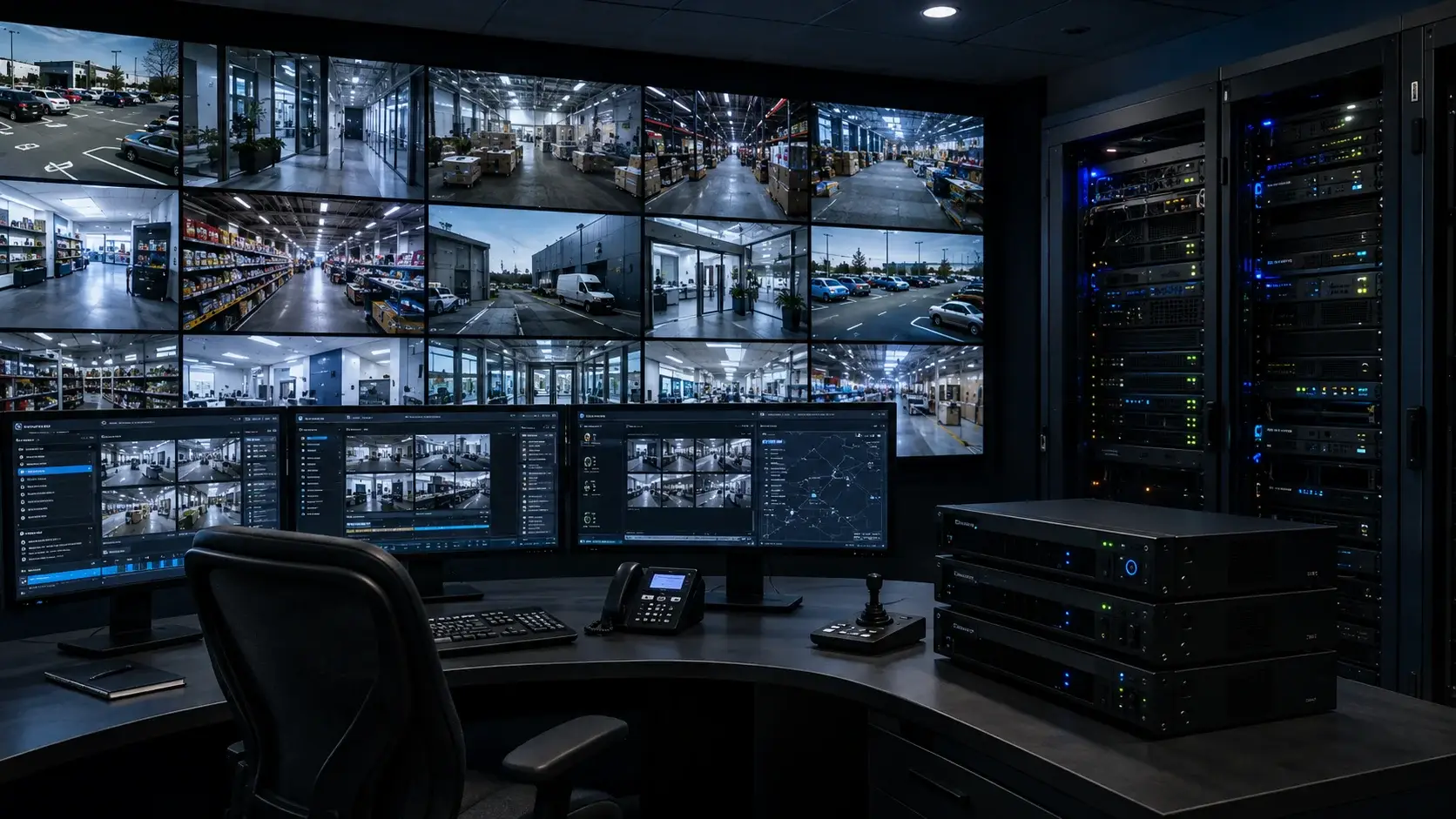
It is estimated that there are more than one billion video surveillance cameras in the world today. They play a crucial role in providing core security infrastructure, helping to deter crime, supporting investigations and providing evidence when incidents occur.
Surveillance can often be critical. We’ve all seen documentaries that show the police finding breakthrough clues to pursue a case thanks to home surveillance or CCTV systems in retail stores that happen to capture evidence.
It’s easy to assume that a camera will record and store all footage, but in many cases it doesn’t work like that. Traditional surveillance storage often runs into three main problems.
First, local storage does not scale as you might expect it to. Customers add cameras, upgrade resolution, open new sites and increase the amount of footage they want to keep. Each of these changes puts more pressure on the recorder, server or storage device originally installed.
Then longer retention of footage will mean that more hardware is required. So if a customer wants to keep footage for 60, 90 or 180 days instead of just a few weeks, the answer is often to add more disk capacity, another recorder, or a site-level storage upgrade. That’s costly.
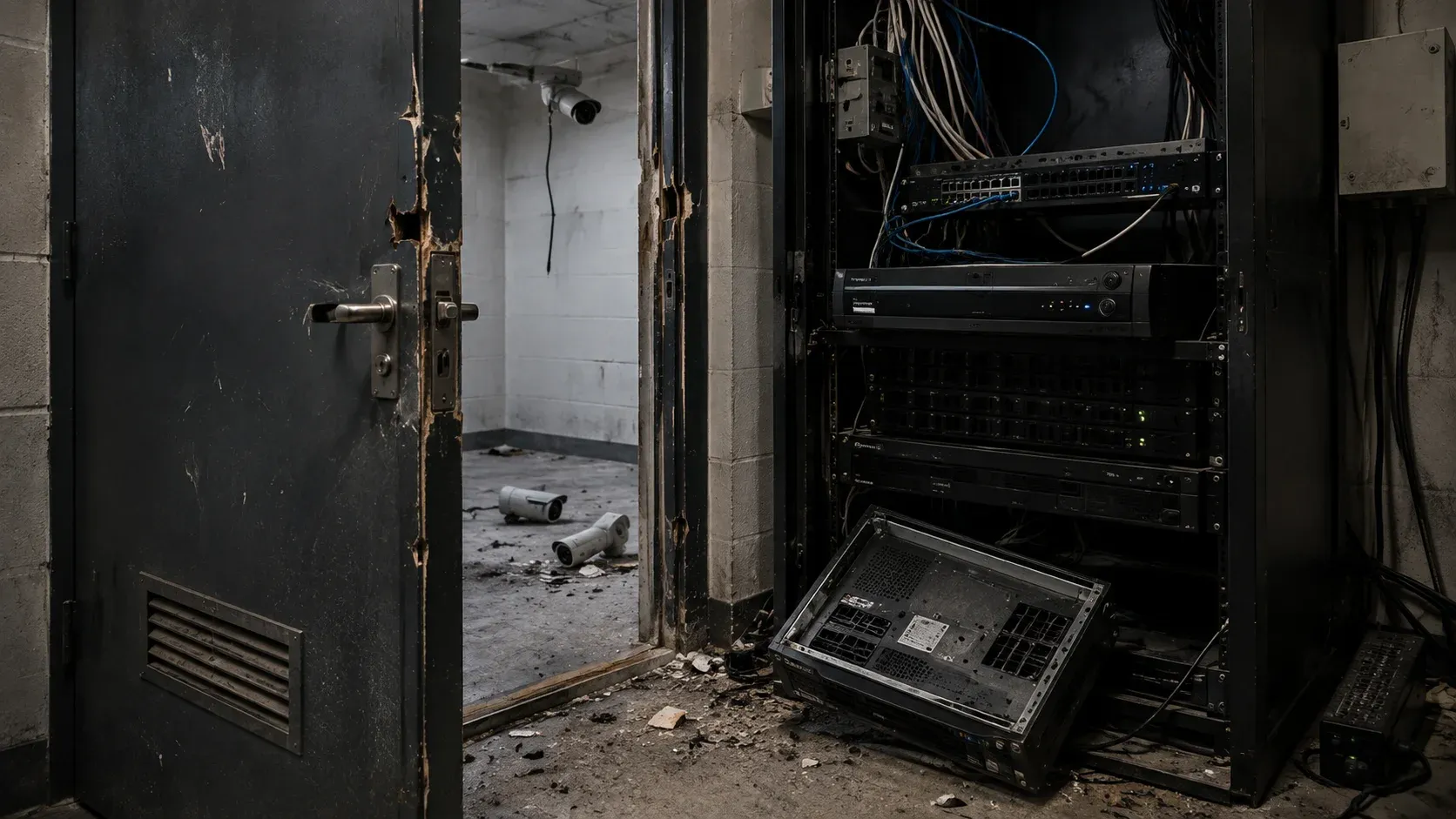
Finally, locally-stored footage is exposed to the same risks as the location it protects. That means that if a recorder is stolen, the server room is damaged, equipment is vandalised or a site goes offline, the recordings may disappear just when they are needed most.
We’ve all seen crime dramas where crucial footage is mysteriously unavailable or the backup somehow failed. Offsite storage can help keep that scenario fictional rather than something that happens in real life.
The limits of local-only systems
Local storage is the key piece of most surveillance setups. It supports fast recording, local playback and daily operations and, in many cases, it is still the right primary layer for keeping footage.
The key weakness, however, is physical since the storage sits in the same place that’s at risk.
If, for example, a burglar takes the recorder at the time of their break in, the footage will disappear with them. If a fire destroys the server room, the recordings may be gone before any analysis can be made. If equipment is vandalised or disconnected, the issue may not be discovered until someone asks for the footage. By that point, there may be nothing useful to recover.
A second limitation comes around capacity as customers add more cameras, improve video quality or extend retention periods. Each of those choices increases the amount of footage the system has to store. So that local storage system that worked two years ago can quickly be outdated and constrained.
One solution is, of course, to simply add more local storage. That will help in the short-term, but it doesn’t fix the basic issue that you are relying on storage inside the site where the fire, burglary or vandalism may happen.
What offsite storage changes
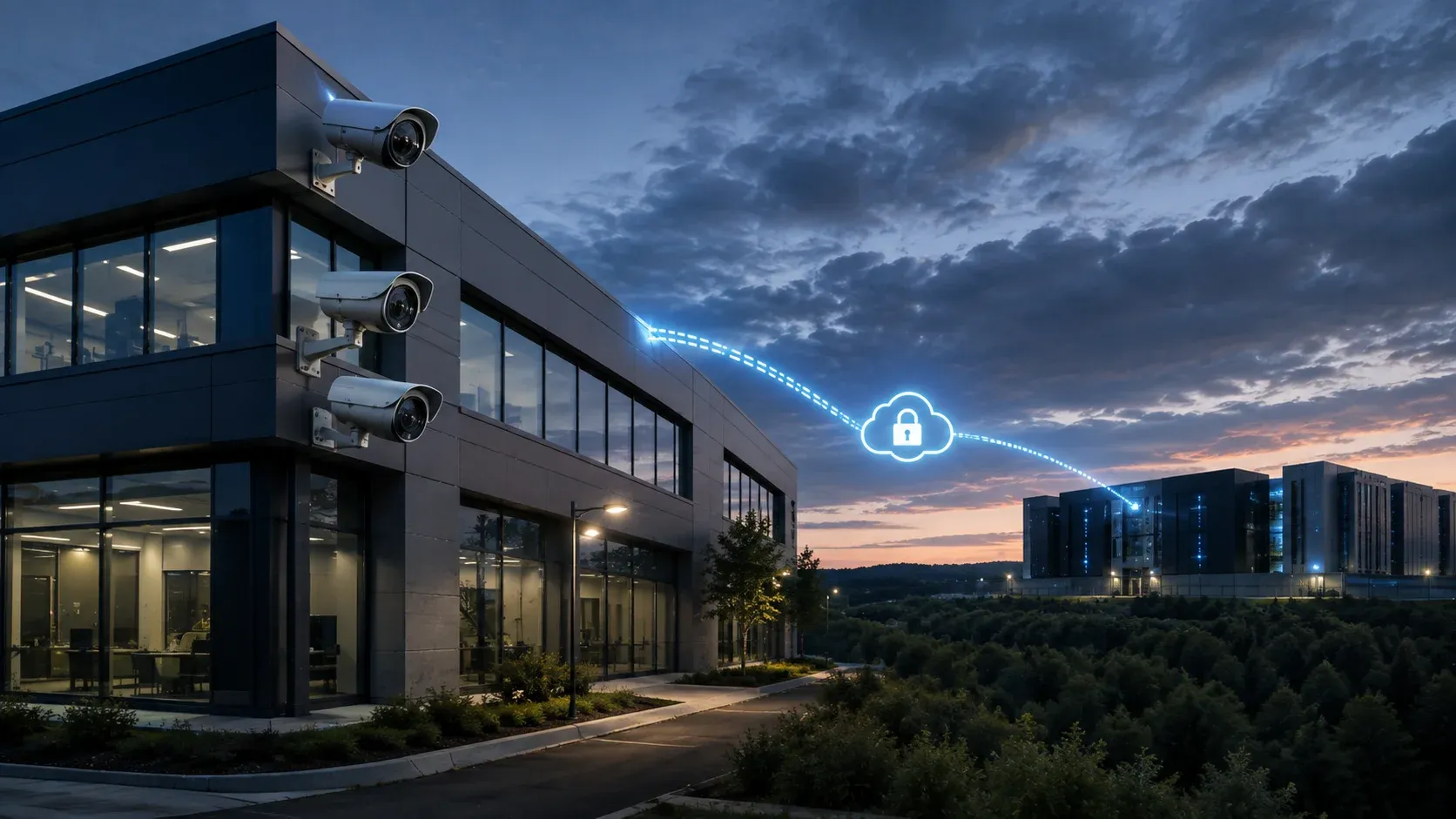
Offsite storage gives providers a second place for important recordings to live. Footage can be copied from the customer environment to a secure data centre, cloud platform or other protected storage environment. This type of system means that in the event that the local site is damaged or unavailable, the archive is not lost with it.
This gives surveillance providers another area to serve their customers beyond simply selling camera coverage or local storage. Crucially, it is a logical way to ensure that the customer gets what they want from their surveillance setup.
Offsite storage is also a logical method to solve longer retention requirements. Local only storage is limited by the hardware that’s installed so, by default, footage will only be held for a certain period of time. It needs to be discarded since there’s new footage to be held. Offsite storage capacity is elastic and can be expanded to store as much footage as is needed.
That can be crucial for those with insurance needs, internal security policies, or regulatory requirements. It also makes planning more straightforward for customers with many cameras or multiple sites. The provider does not have to treat every increase in footage retention or camera count as another local hardware project, and their capacity can adapt reactively.
Where SurveillanceVault fits
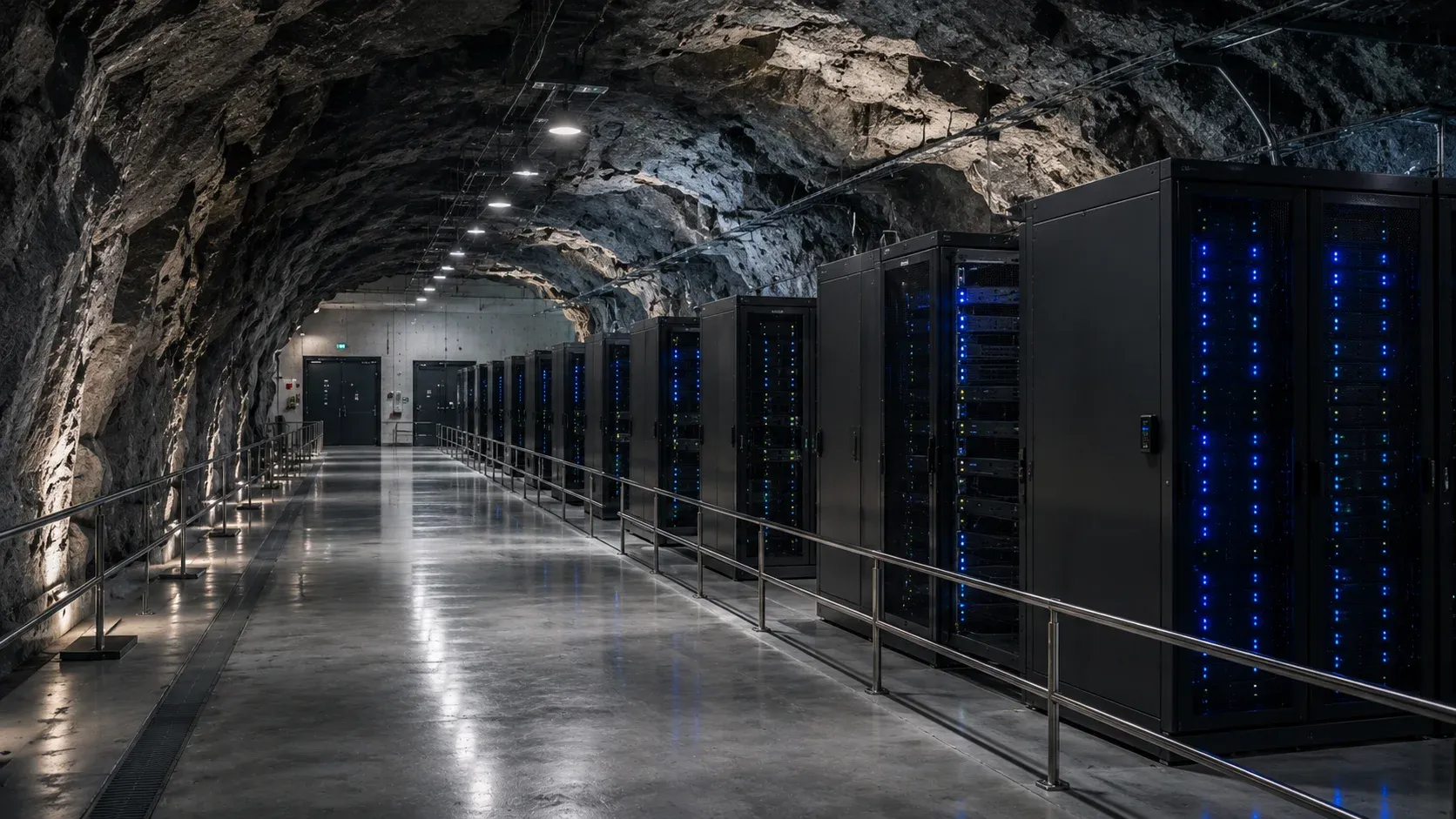
SurveillanceVault is SpaceTime’s offsite storage solution for VMS and IP camera systems. It is built for surveillance providers that need to offer customers secure offsite archive capacity in Finland.
Our solution has two main parts. The integration layer backs up data from the customer’s local storage environment. Then SpaceTime’s storage platform provides the offsite archive using our datacentres which are deep in the Finnish bedrock.
Customers can continue to use their existing VMS and IP camera systems and the local system can handle daily surveillance operations. SurveillanceVault adds a separate archive layer for capacity, continuity and protection of important recordings that are ready if and when they’re needed.
Our solution is optimised for providers that work with customers that have many cameras, multiple sites, longer retention needs, critical locations or ageing local storage. In those cases, the issue is whether the footage will still be available when the system is under stress. With us, it will.
How the partner model works
SurveillanceVault is designed to be delivered through partners using local assessment. The right storage setup depends on camera count, video volume, retention periods, network conditions and the customer’s existing system.
We provide the storage platform, capacity, infrastructure operations and partner technical support. Partners handle the customer relationship, assessment and sizing, deployment and integration, first-level support and the ongoing service model.
This enables providers to easily add secure offsite storage services without needing to build the storage infrastructure themselves. Most importantly, it keeps the customer relationship where it belongs: with the provider that understands the cameras, sites and operational needs.
Designing the right retention model is key
Just because you have offsite storage does not mean you should send every second of video to an archive forever. That would be expensive and unnecessary for many customers.
The best approach starts by modeling risk. For example, some sites will need longer retention than others. For others, the feeds will matter more. And some recordings only need to be preserved after a specific incident, alarm or request.
Providers define those rules with the customer, then size the archive around the actual requirement.
Used well, offsite storage becomes more than extra capacity. It gives providers a way to remove a common weak point from customer systems while offering a clearer long-term storage model.
Cameras will always show what happened, but the responsibility for surveillance providers is to ensure that the evidence is there when the customer needs it.
Contact us to learn more about SpaceTime’s SurveillanceVault and how it can work for your business visit our website or book an exploration call.